

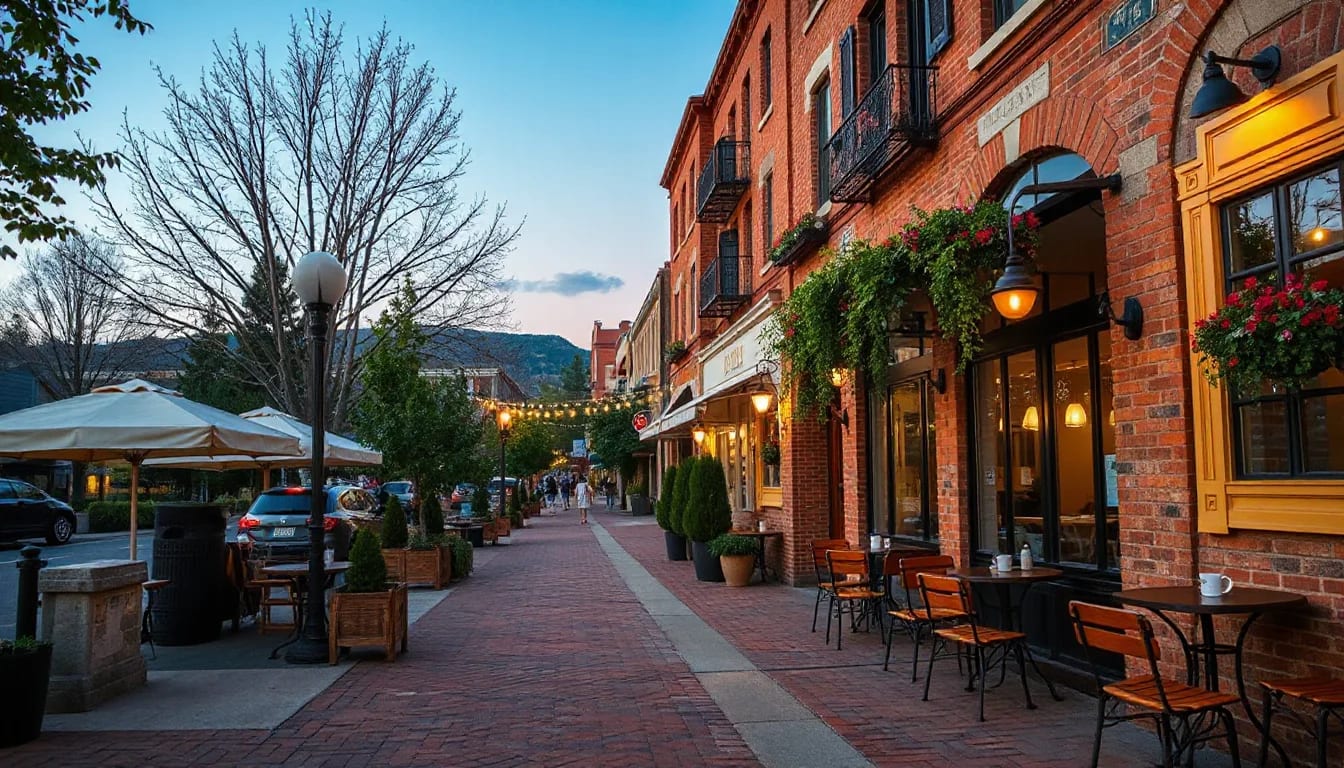
Mountain View offers an everyday rhythm built around outdoor space, a lively central gathering corridor, and several practical ways to travel across Silicon Valley. From shoreline trails and neighborhood parks to Caltrain access and major highway connections, the details that shape a typical week can matter just as much as a home’s square footage. This guide highlights the amenities and commute considerations worth exploring in person.
A City Where Outdoor Time Is Part of the Routine
Mountain View’s parks and open spaces provide a useful counterpoint to the region’s fast-moving workday. Whether the goal is a morning walk, an afternoon on a trail, a casual picnic, or time near the water, there are many places to build a little fresh air into a regular schedule. The city’s compact layout also means that local amenities can feel closely connected rather than scattered across a wide area.
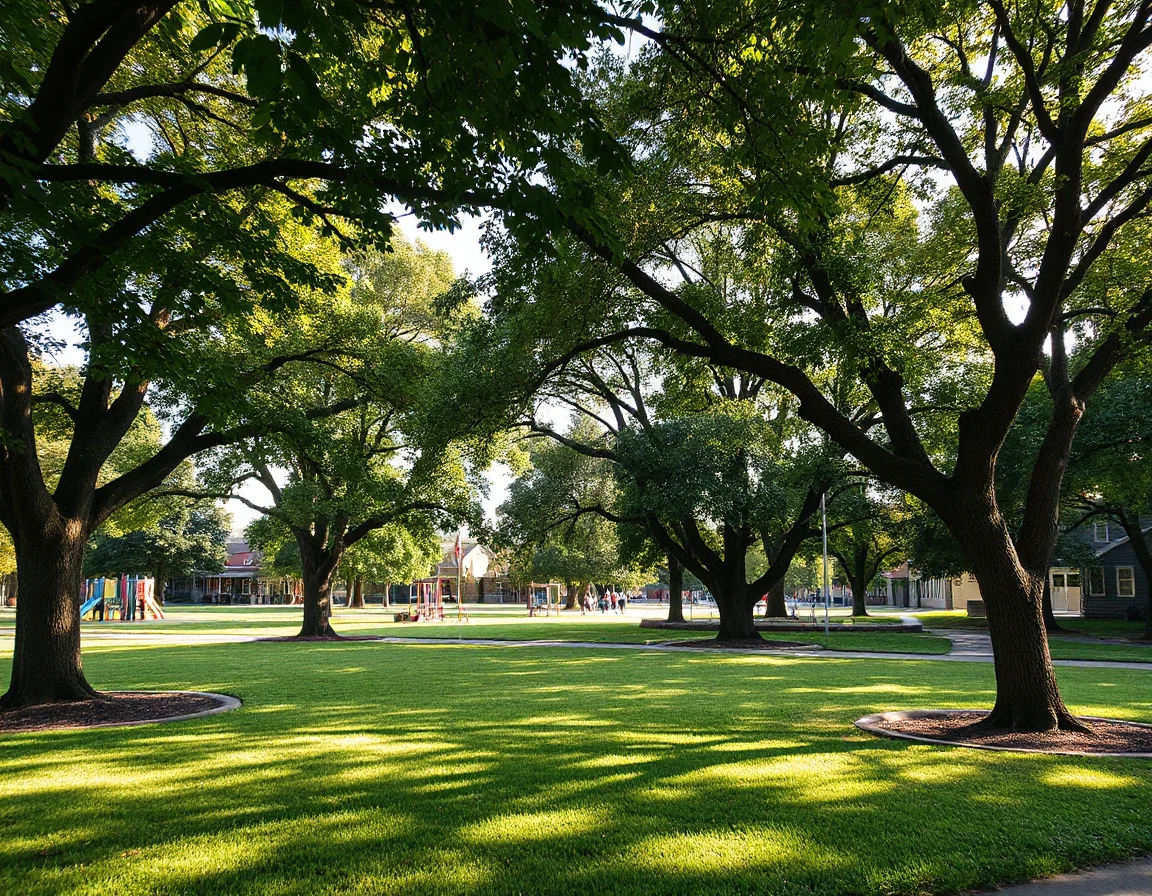
Shoreline at Mountain View is one of the area’s best-known outdoor destinations. The broader Shoreline area includes pathways, bay views, recreation facilities, and access to the Shoreline Lake setting. It is a place where a quick walk can become an unplanned hour outside, especially when the weather is clear and the Bay’s changing light becomes part of the experience. Nearby trails connect with a wider network used for walking, running, and cycling.
Elsewhere in the city, neighborhood parks offer lawns, courts, play areas, and gathering spaces that support everyday recreation. Cuesta Park, Rengstorff Park, and Eagle Park are among the names people often encounter while getting familiar with the local map. Each has its own layout and nearby surroundings, so it is useful to visit at different times of day and notice practical details such as shade, trail connections, parking, activity levels, and seasonal programming.
When comparing Mountain View locations, map the route from a prospective home to the nearest park or trail—not just the straight-line distance. A comfortable walking or cycling route can change how often an amenity becomes part of the week.
For those interested in a longer outdoor route, the Stevens Creek Trail is a notable local asset. Portions of the trail provide a car-free path through Mountain View and toward shoreline areas, creating an option for recreation as well as some local trips. Conditions, access points, and permitted uses can vary along the route, so checking current city and regional information before planning a ride is always worthwhile.
Dining, Coffee, and the Castro Street Experience
Mountain View’s central commercial district along Castro Street is a major part of the city’s daily character. The corridor brings together independent food options, casual gathering places, services, and frequent foot traffic within a walkable setting. It can be equally useful for a quick weekday meal, a slow weekend coffee, or an evening spent browsing what is happening nearby.
The dining mix spans a wide range of cuisines and formats, from relaxed counter-service stops to sit-down meals and dessert destinations. Rather than thinking of the area as a single destination, it helps to explore it in layers: the blocks closest to the Caltrain station, side streets with smaller businesses, and nearby stretches that connect toward local residential areas. Hours, reservations, and outdoor seating can change with the season, so a repeat visit often reveals more than one pass through.
Local events and community programming also add variety to the central area. Farmers market days, performances, and seasonal gatherings can bring additional energy to the streetscape. For a home search, these amenities are worth considering from a practical perspective as well: visit during a typical weekday, a weekend afternoon, and an event period to understand traffic patterns, parking conditions, noise levels, and the pace of activity around a particular block.
Commute Options That Connect the Peninsula and Beyond
Location is often a central part of the Mountain View conversation because the city sits near several important Silicon Valley travel routes. Caltrain service from the Mountain View station provides a rail connection along the Peninsula, while VTA light rail and local bus options add other transit choices. The station area also places transportation close to Castro Street’s activity, making it easy to combine errands or a meal with a transit trip.
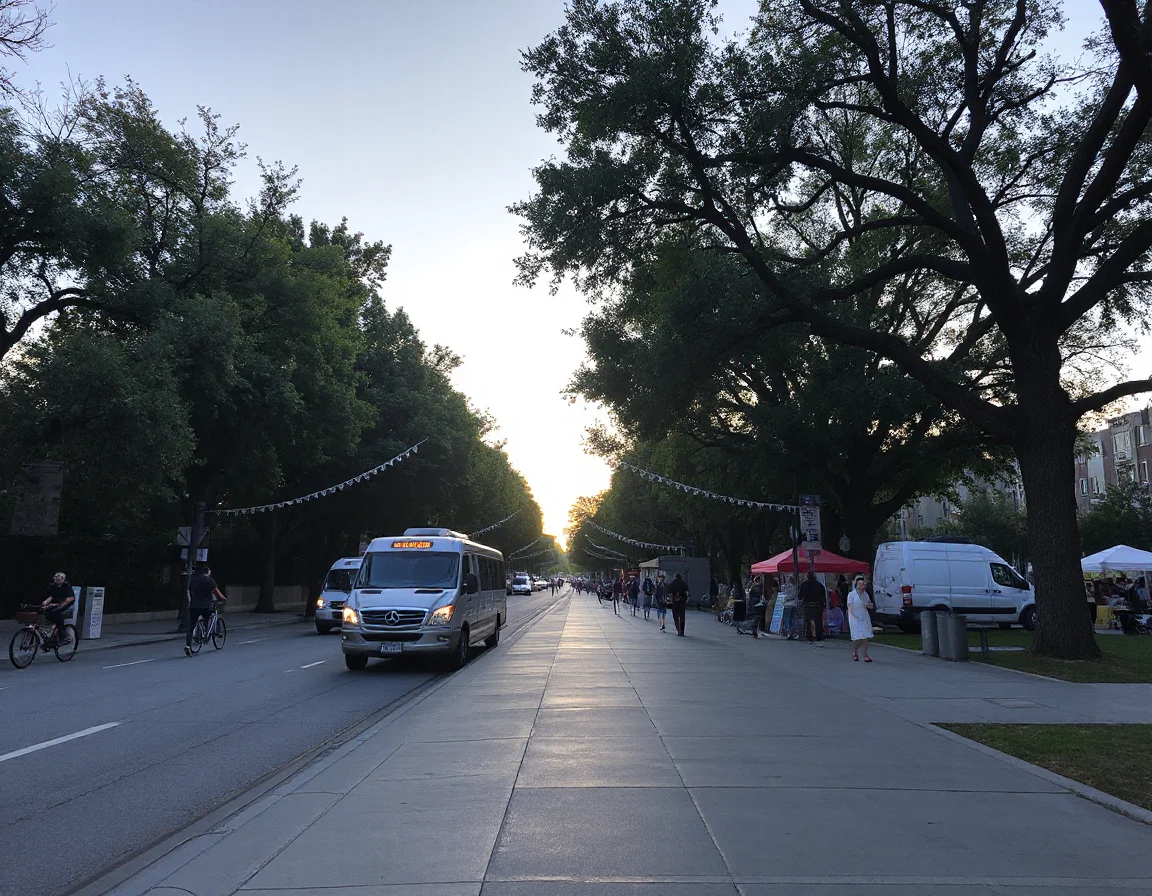
For driving, U.S. Highway 101, State Route 237, and State Route 85 are significant nearby connections. These routes can support trips toward San Jose, Sunnyvale, Santa Clara, the Peninsula, and other parts of the South Bay. Actual travel time is highly variable, however, and can shift based on departure time, weather, road work, special events, and the specific starting point within Mountain View. Testing a route during the hours that matter to you is more useful than relying on a broad estimate.
Cycling is another part of the local transportation picture. Bike lanes, neighborhood streets, and regional paths can make certain short trips practical without a car, though comfort levels vary by route and rider. A useful home-search exercise is to try the everyday trips that matter most: the route to a grocery store, a transit stop, a park, or a preferred gathering place. Small details such as crossings, protected lanes, hills, and the availability of secure bike storage can affect the experience.
Buyers considering a condominium or townhome should also review parking assignments, guest parking policies, electric-vehicle charging provisions, and HOA rules around bicycles or storage. In single-family neighborhoods, driveway configurations, garage access, street parking regulations, and proximity to through-routes may be just as relevant. These are practical property questions, not afterthoughts, and they can help narrow a search to homes that support an intended routine.
A commute is more than a freeway estimate. Compare transit schedules, station access, parking, bike routes, and the time required for the first and last mile of each regular trip.
What to Look for When Comparing Mountain View Homes
Mountain View includes a range of housing types, from older single-family homes and updated bungalows to condominiums, townhomes, and newer infill communities. Inventory, condition, lot size, and proximity to amenities can differ substantially from one area to another. A home near an active central corridor may offer convenient access to dining and transit, while another location may prioritize a different relationship to parks, trails, or major roadways.
It is also wise to separate the home itself from the systems around it. Review disclosures carefully, ask about permits for renovations, understand utility costs where available, and investigate HOA financial documents for attached homes. If schools are an important consideration in a purchase decision, verify current attendance boundaries, enrollment procedures, and public information directly with the relevant district; boundaries and policies can change.
Mountain View rewards a hands-on search process. Spend time in the areas that interest you, walk the streets, try a transit route, and visit parks or gathering places at the times you would realistically use them. Those observations can add context to listing photos and help turn a broad search into a decision that fits daily life.
The most useful perspective is personal and practical: choose the features that support how you want to move through the day. Whether that means a nearby trail, access to Castro Street, a convenient station route, or a quieter connection to local green space, Mountain View offers many details worth weighing carefully before making an offer.