


San Jose home prices and available inventory can shift quickly, but the decisions behind a successful purchase or sale remain practical: understand comparable homes, watch the pace of new listings, and prepare for the terms that matter beyond price. This guide breaks down how buyers and sellers can read the local market without relying on headlines alone.
Why Price and Inventory Belong in the Same Conversation
In San Jose, price trends and inventory levels are closely connected. When fewer homes are available for sale, well-prepared listings can attract concentrated attention, especially when they are accurately priced and easy to evaluate. When more choices enter the market, buyers may have additional time to compare layouts, locations, condition, and monthly ownership costs. Neither setting automatically favors one side in every transaction; the details of each home and each offer still matter.
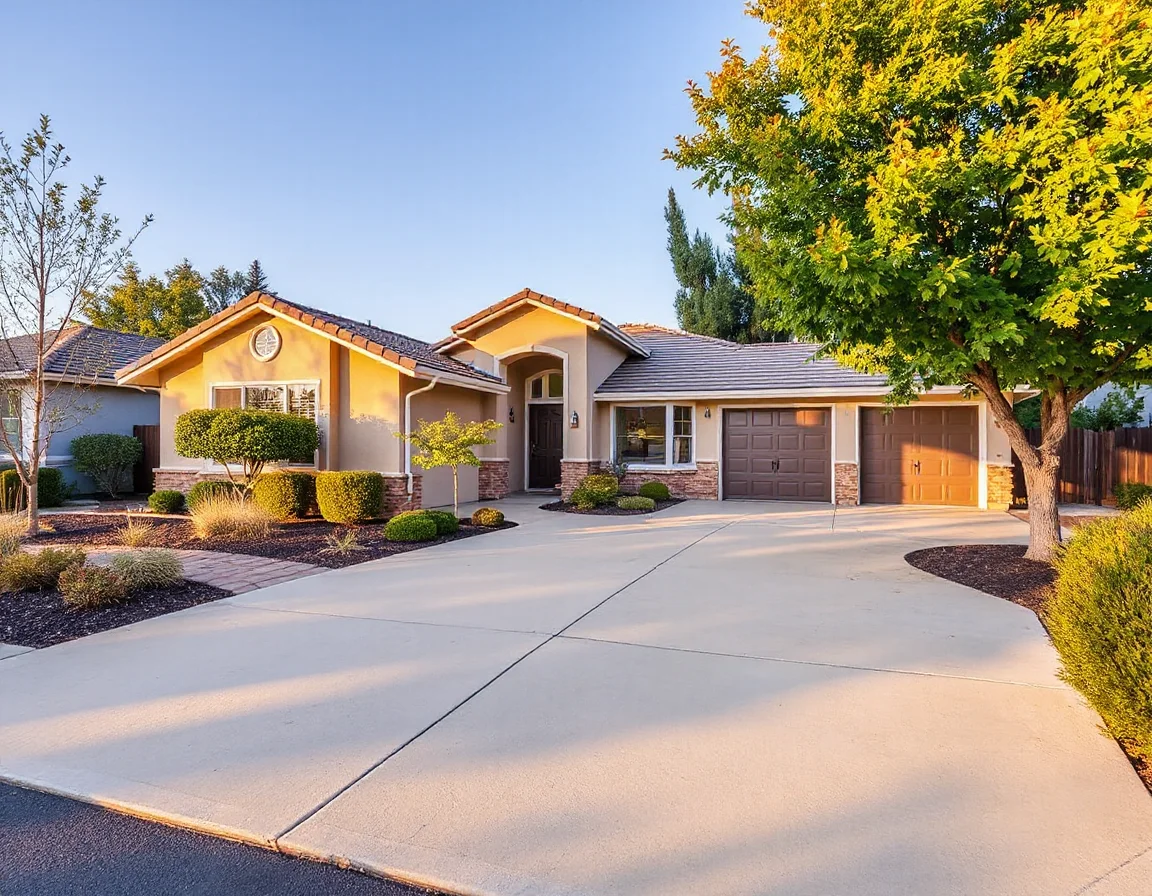
For buyers, inventory is more than a count on a website. It is the number of homes that genuinely match a target price range, preferred property type, condition expectations, and daily-location needs. A market may appear to have many listings overall while offering only a limited number of homes that fit a particular search. Looking at new listings, pending sales, price adjustments, and days on market provides a more useful picture than one headline number.
Sellers should view inventory through a competitive lens. The most relevant comparison is rarely every home in San Jose. It is the active, pending, and recently closed homes that a buyer may consider instead of yours. Similar square footage, lot utility, updates, parking, natural light, and outdoor areas all affect how a property is positioned. A thoughtful launch plan helps buyers understand the home’s value quickly and gives the listing a stronger starting point.
A list price is a positioning decision, not a promise of a final result. The strongest pricing strategy starts with current competing homes and recent comparable sales, then accounts for condition, presentation, and buyer demand in that specific segment.
Mortgage rates also influence the conversation because they affect purchasing power and monthly payment planning. A change in financing costs can alter how buyers evaluate options, even when list prices remain steady. Buyers who review lending options before touring seriously are better able to compare homes with clarity, while sellers benefit from knowing that prepared buyers can move efficiently when the right property appears.
Learn how to find the right mortgage lender
How Buyers Can Read the San Jose Market More Clearly
Rather than waiting for a “perfect” market condition, buyers can build a practical framework for evaluating opportunities. Start by identifying a comfortable purchase range that includes the full monthly picture: principal and interest, property taxes, insurance, possible homeowners association dues, utilities, and a reserve for maintenance. That number is more useful than focusing on a maximum approval amount alone.
Next, separate must-haves from preferences. A must-have might be a certain number of bedrooms, a workable commute route, or a layout that supports how the household uses space. Preferences may include a particular finish, a larger yard, or a remodeled kitchen. This distinction does not mean compromising blindly; it helps buyers act decisively when a home meets the requirements that matter most.
Pay close attention to the status of comparable homes. An active listing tells you what sellers are asking. A pending home can reveal where demand is concentrating. A closed sale shows what a buyer and seller ultimately agreed upon, though it may reflect negotiations that began weeks earlier. Reviewing all three categories with an experienced local professional creates a fuller perspective on current conditions.
Offer terms deserve the same attention as price. Financing structure, inspection timelines, appraisal considerations, requested credits, possession timing, and the strength of supporting documentation can shape a seller’s response. A clear, well-organized offer is often easier to evaluate than one that leaves major questions unanswered. Buyers should understand the purpose and risk of every term before making a commitment.
In a competitive segment, the useful question is not simply “How much should I offer?” It is “What does this home’s condition, competition, and comparable sales support—and which terms can I confidently meet?”
There is also value in monitoring the market consistently instead of only checking listings when a new home appears. A few weeks of observation can reveal how quickly similar properties move, which features lead to price adjustments, and how presentation influences interest. That context turns a fast decision into an informed one.
What Sellers Can Control Before Going Live
Sellers cannot control the number of competing listings or the direction of interest rates, but they can control preparation, presentation, pricing, and communication. The goal is not to create a generic version of a home. It is to present the property honestly, clearly, and in its best working condition so prospective buyers can focus on its strengths.
Begin with a room-by-room review. Address deferred maintenance that may distract from the home’s overall condition, such as loose hardware, worn caulking, burned-out bulbs, damaged screens, or landscaping that obscures the entry. For larger improvements, compare likely cost, timing, and market relevance before beginning work. Not every project produces the same return, and some homes benefit more from cleaning, repairs, decluttering, and professional photography than from a major renovation.
Documentation can also reduce uncertainty. Helpful materials may include permits when available, records for major systems or improvements, utility information, and disclosures required for the transaction. Organized information gives buyers a clearer basis for evaluating the home and may help keep the process moving once an offer is accepted.
Pricing should reflect the current alternatives available to buyers, not only a memorable sale from a different season or a nearby home with substantially different features. A useful comparative review weighs location, lot, condition, updates, square footage, layout, and market timing. The right approach can vary by property: some listings need a precise price that generates immediate attention, while others require patience and strategic adjustments as buyer feedback arrives.
A Grounded Plan for the Next Move
San Jose real estate is made up of many smaller markets rather than one uniform experience. Condominiums, townhomes, attached residences, and single-family homes can respond differently to inventory, financing conditions, maintenance needs, and buyer preferences. The most reliable strategy is to pair current market data with a plan tailored to the property or search at hand.
For buyers, preparation means knowing the budget, reviewing neighborhoods and property types objectively, and being ready to evaluate a home’s condition and terms. For sellers, preparation means making the home easy to understand, pricing against relevant competition, and responding to market feedback with discipline. Whether the next step is buying now, selling soon, or simply building a plan, a clear view of price and inventory makes the process more manageable.
David Loperena helps clients approach residential real estate decisions with practical local context, careful preparation, and attention to the details that shape a transaction. Market conditions will continue to change, but a well-supported strategy can keep the focus on what matters most: making a confident, informed move.