

Living in San Jose means balancing a busy Silicon Valley schedule with access to neighborhood parks, regional trails, varied dining, and multiple commute options. Whether you are comparing areas or preparing to buy, understanding how daily routines connect to the city’s geography can make a home search more focused and practical.
A City Built Around Everyday Access
San Jose is a large, varied city, and daily life can look very different from one neighborhood to the next. A home’s location may shape everything from the route to a major employer or transit stop to how easily you can reach a trail, grocery option, cultural venue, or outdoor gathering space. Instead of thinking about the city as one single experience, it helps to consider the places you expect to visit most often and the time you want to spend getting there.
That flexibility is one of San Jose’s defining qualities. The city has established residential blocks, newer development near employment centers, hillside settings, and areas closer to major transportation corridors. Each can offer a different rhythm. Some locations place daily errands and public amenities nearby, while others trade proximity for more space, views, or a quieter streetscape. Touring at different times of day can reveal details that a listing photo cannot: sunlight, traffic patterns, street activity, parking conditions, and the feel of a route from the home to nearby destinations.
For home buyers, it is useful to create a short list of non-negotiables before comparing homes. That list might include a preferred commute route, access to outdoor space, a certain number of bedrooms, storage, parking, or a layout that supports remote work. In a market with many property types and price points, clarity about the everyday experience can help narrow choices without overlooking a home’s long-term potential.
A ten-minute test drive is helpful, but a visit during a typical morning or late afternoon can give a much clearer picture of how a location fits your actual routine.
Parks, Trails, and Open-Air Time
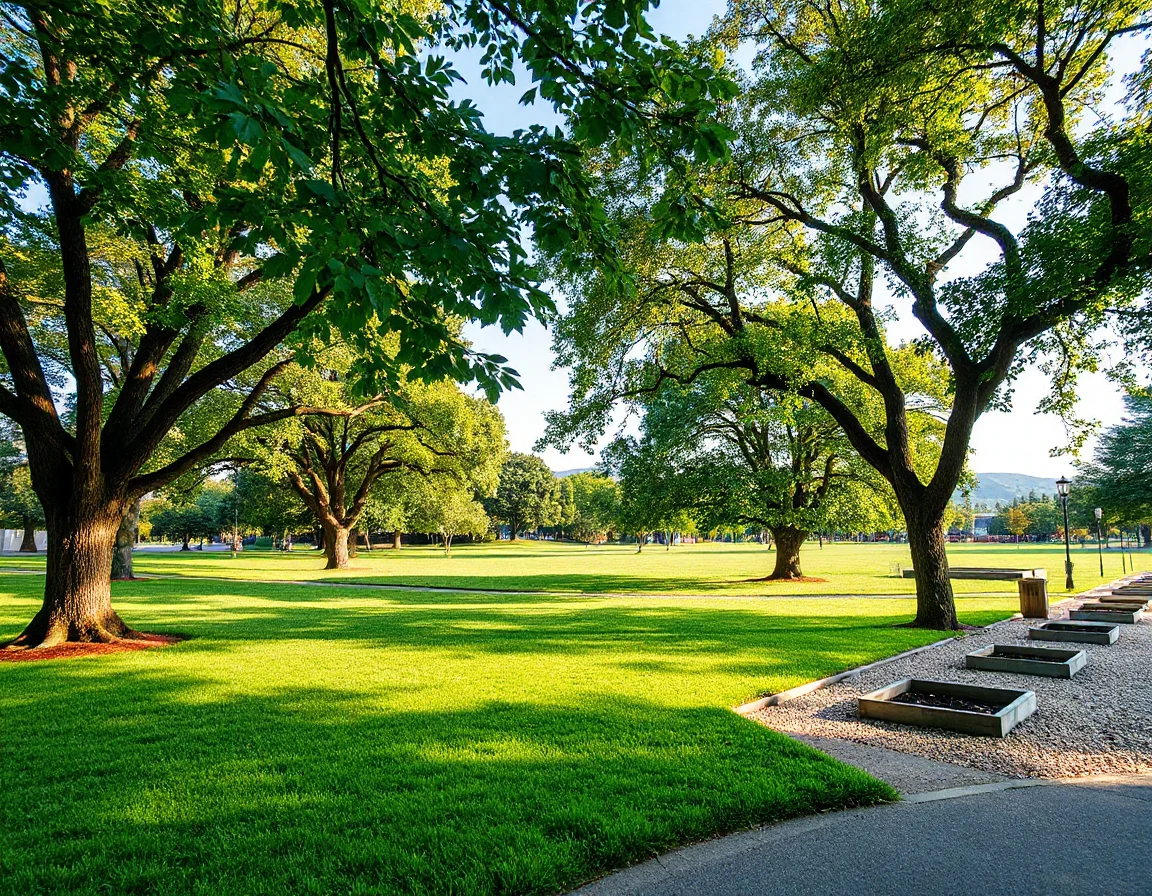
Outdoor access is a meaningful part of life in San Jose. The city and surrounding Santa Clara Valley offer neighborhood parks, recreation facilities, creekside paths, and connections to larger open-space areas in the foothills. Places such as Alum Rock Park, the Guadalupe River Trail, and Kelley Park provide different ways to spend time outside, from walking and cycling to picnics and local events. Conditions, access points, and amenities vary, so it is worth exploring the specific areas near homes you are considering.
Smaller public parks can be just as important as major destinations. A nearby lawn, shaded bench, sports court, dog area, or walking path can make an ordinary weekday feel more connected to the outdoors. When evaluating a property, look beyond the backyard or balcony and consider the public spaces within a reasonable distance. These amenities can add options for exercise, relaxation, and meeting up with friends without requiring a long drive.
San Jose’s climate also supports outdoor routines across much of the year, though summer heat and seasonal air-quality conditions are practical considerations. Homes with usable shade, efficient cooling, well-positioned windows, and outdoor areas that fit your habits can be especially valuable. A patio may be ideal for one buyer, while another may prioritize easy access to a trail or a park with room to move around.
Explore San Jose area insights
Dining and Local Gathering Places
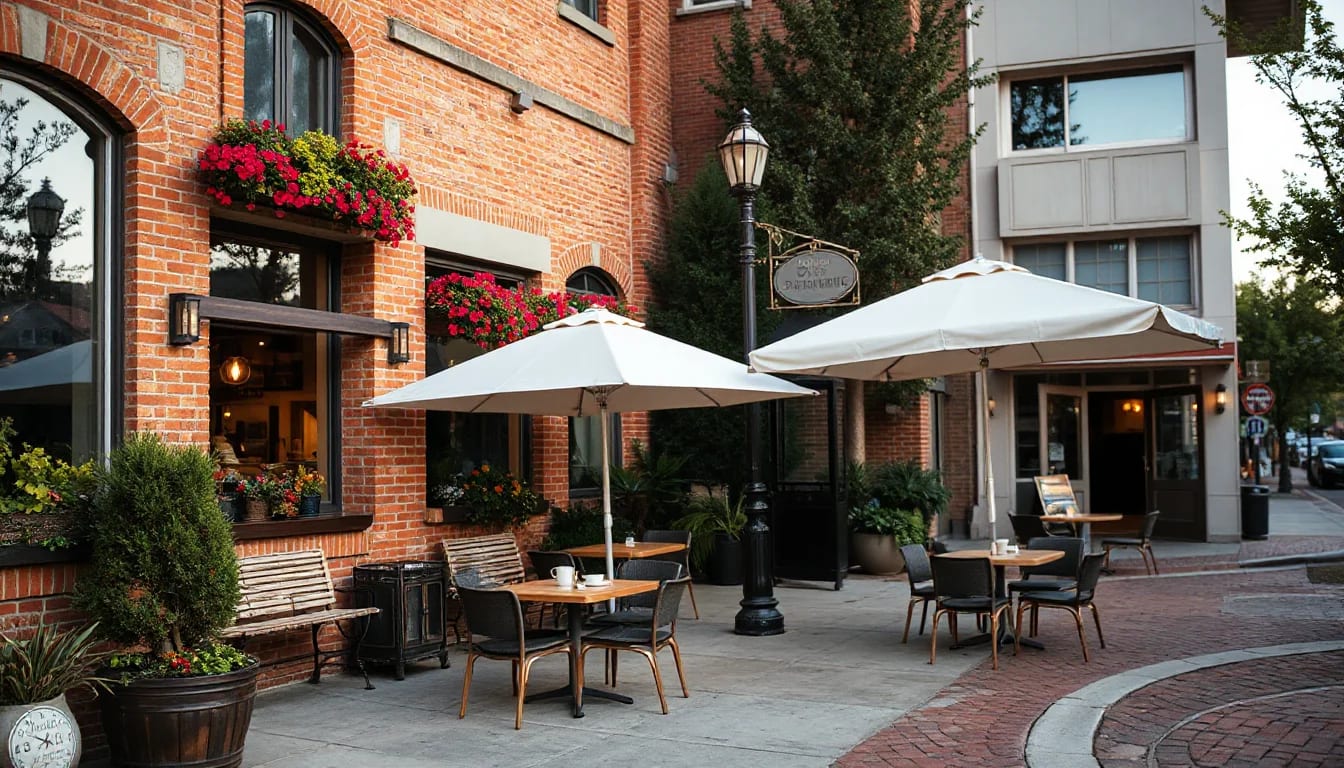
The dining landscape in San Jose reflects the city’s scale and cultural range. From long-established neighborhood favorites to newer culinary destinations, options are spread throughout the city rather than concentrated in only one district. Areas around Santana Row, Japantown, Willow Glen, downtown, and the Alameda each offer their own mix of food, coffee, markets, and gathering places, while many residential corridors have convenient choices closer to home.
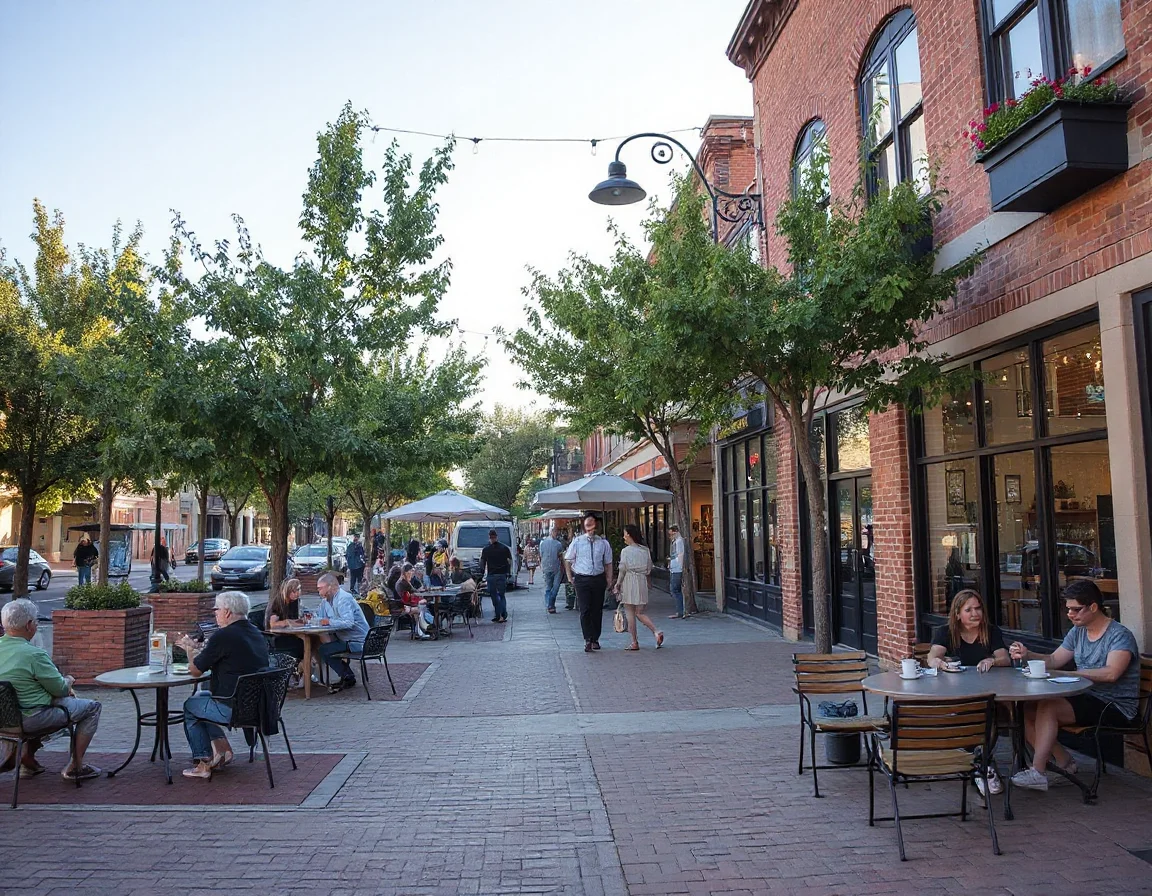
For prospective buyers, the key is not necessarily being close to the most prominent destination. It is finding a pattern of conveniences that works for you. Some people value being near a weekly farmers market, an evening activity, or a favorite takeout option. Others prefer a home that is removed from busy corridors but still has a straightforward route to the places they enjoy. Both approaches can work well; the best fit depends on how you expect to use the neighborhood from week to week.
Visiting local areas on foot can add useful perspective during a home search. Notice sidewalk conditions, street crossings, tree cover, public seating, and how the area feels on a weekday versus a weekend. These details are not always obvious in online maps, but they can influence how connected a home feels to its surroundings.
Community events also offer a useful window into the city’s many distinct areas. Seasonal festivals, cultural programming, outdoor performances, and public recreation opportunities create reasons to explore beyond a single familiar route. For someone moving within the Bay Area or arriving from elsewhere, this variety can make the adjustment period more enjoyable and help turn a new address into a lived-in routine.
Commute Planning Starts Before the Offer
Commute planning remains one of the most important practical parts of buying in San Jose. Major routes including U.S. 101, I-280, I-680, State Route 87, and State Route 85 connect different parts of the city and the broader region, but travel times can vary considerably by time of day. VTA light rail and bus service, Caltrain connections, biking routes, and remote-work schedules may all factor into a buyer’s decision.
A property that looks close to a workplace on a map may still require a route that feels inconvenient at peak hours. Conversely, a home slightly farther away may offer a more predictable drive, easier access to transit, or a route that better matches your schedule. Before making an offer, test the commute at the times you would normally travel when possible. If you work from home, evaluate whether the layout, internet availability, natural light, and noise levels support that arrangement.
Commute distance and commute time are not the same thing in Silicon Valley. Compare routes at realistic travel hours, then weigh that information alongside the home’s condition, layout, and location.
It is also smart to plan for flexibility. Job locations, office schedules, transit options, and household needs can change over time. A home with several viable routes or convenient access to key destinations may offer more resilience than one that depends on a single corridor. This does not mean every buyer needs to be near every amenity; it means understanding the tradeoffs clearly before you commit.
Bringing the Pieces Together
Choosing where to live in San Jose is ultimately about building a practical picture of everyday life. Start with the essentials: budget, property needs, commute expectations, and preferred home features. Then add the details that make a location feel useful and enjoyable, such as access to parks, trails, dining, transit, cultural venues, and the routes you will use most often.
For first-time homebuyers especially, it can be tempting to focus only on the listing itself. A thoughtful search looks at both the home and the life around it. By spending time in the areas that interest you, asking focused questions, and comparing your options against real daily routines, you can approach the San Jose market with more confidence and a clearer sense of what fits.