


Sunnyvale buyers and sellers are watching the same market from opposite sides: available homes can change quickly, while well-prepared properties may still draw close attention. The most useful strategy is not trying to predict every shift, but understanding how inventory, pricing, timing, and condition work together before making a move. A clear plan can help you respond thoughtfully whether you are preparing an offer or preparing a listing.
Why Inventory Matters More Than a Single Headline
Inventory is simply the number of homes available for purchase at a given time, but its influence reaches far beyond a monthly count. In Sunnyvale, even a modest change in the number of active listings can affect how much choice buyers have, how long sellers need to prepare, and how closely pricing needs to match current competition. When fewer homes are available, buyers may find themselves comparing several properties with similar layouts, locations, or condition. When more homes come to market, the comparison becomes more detailed and sellers need a sharper presentation.
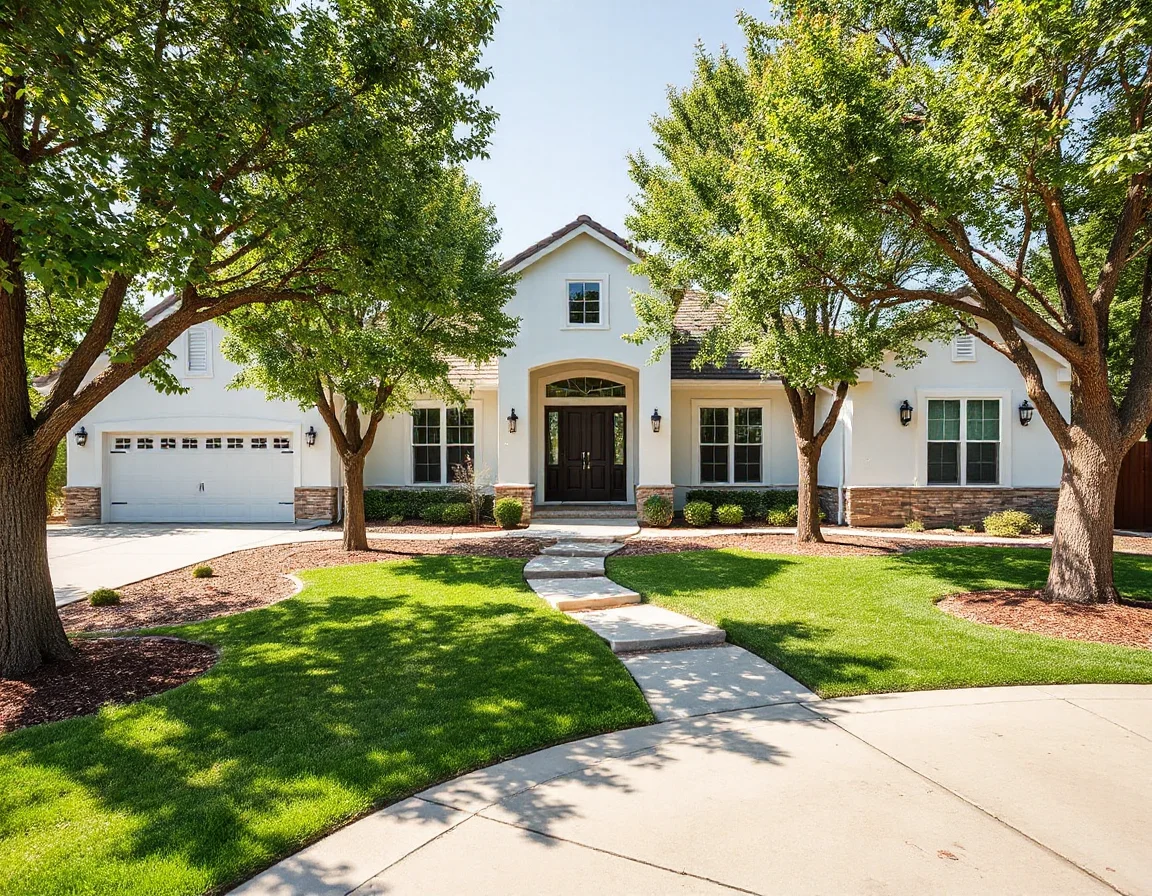
For buyers, a low-inventory period does not automatically mean every property deserves the same aggressive response. It means preparation becomes more valuable. Reviewing recent comparable sales, knowing the boundaries of a comfortable monthly payment, and understanding the condition of each home can keep an offer grounded in facts. A property that has been carefully maintained, thoughtfully updated, and accurately priced may attract attention quickly; another may create room for a more measured approach because of location, layout, deferred maintenance, or days on market.
Sellers should also avoid assuming that limited inventory alone will carry a listing. Today’s buyers can compare disclosures, photographs, floor plans, renovation quality, natural light, outdoor usability, parking, and the practical flow of a home with remarkable speed. The listing that feels complete and easy to evaluate often makes a stronger first impression than one that relies only on broad market demand.
The most meaningful inventory number is not just how many homes are listed—it is how many truly comparable homes are competing for attention during your specific buying or selling window.
Seasonality can add another layer. Spring often brings more activity, while late summer, fall, and winter can produce different combinations of inventory and buyer urgency. These patterns are useful context, not guarantees. A well-timed decision should account for your own timeline, financing, moving needs, and the current choices available in the neighborhoods you are considering.
Pricing Pressure Shows Up in the Details
Pricing pressure is often discussed as if it moves in only one direction, but real market conditions are more nuanced. A seller may see strong interest at one price point and noticeably less engagement just above it. A buyer may encounter competition for a move-in-ready home while seeing more negotiating room on a listing that needs updates or has been available longer. The difference is rarely accidental: buyers are making side-by-side value comparisons from the first day a home is visible.
For sellers, an effective list price is a positioning decision. It should reflect relevant recent sales, active competition, property condition, lot and layout characteristics, and the pace of the local market. Pricing substantially above comparable options can reduce early momentum, which matters because the first days on market are often when a new listing receives the most attention. Pricing without a strategy on the other end can leave value on the table. The goal is a credible launch that invites serious evaluation.
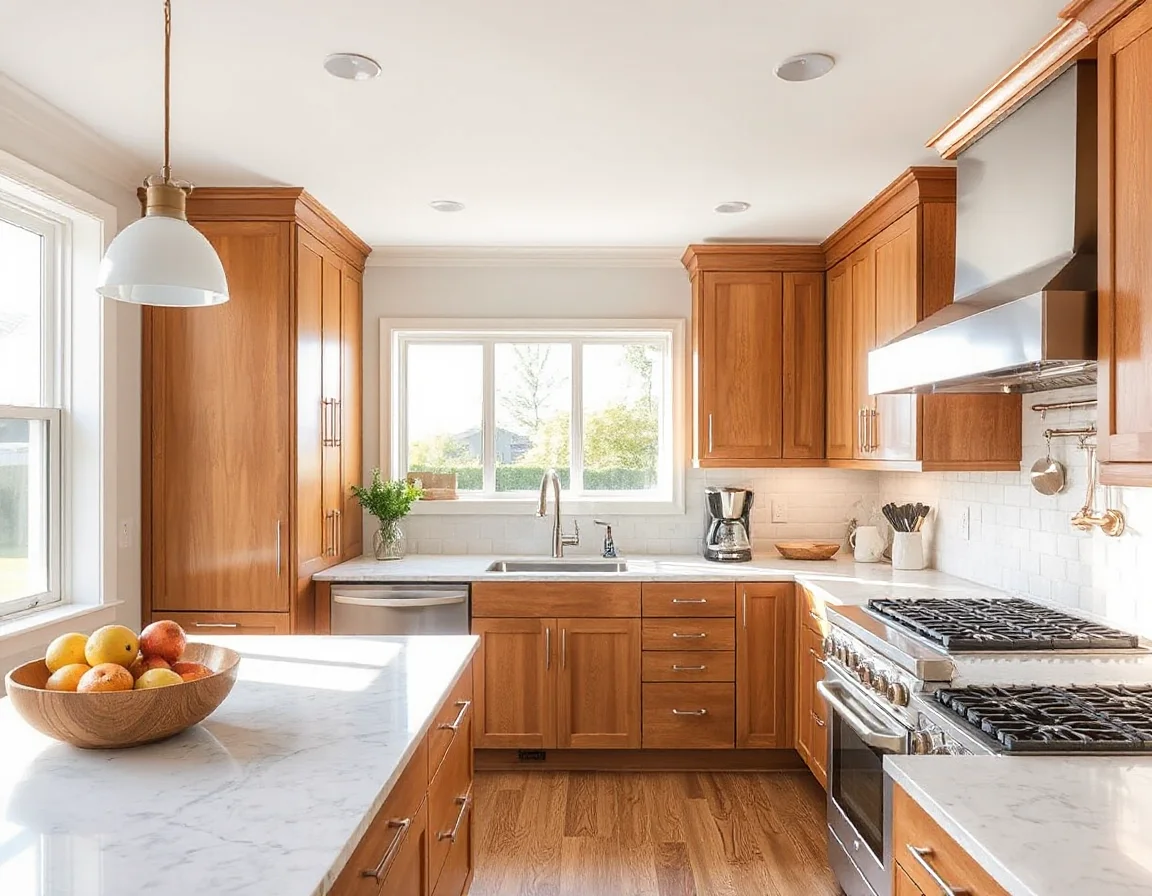
Buyers can use the same discipline when writing an offer. Rather than focusing only on the asking price, consider the complete package: comparable sales, financing strength, inspection expectations, requested timelines, contingencies, and the seller’s stated preferences when available. A well-organized offer can communicate clarity and readiness without asking a buyer to ignore the home’s actual value or their own financial comfort zone.
Condition has an outsized role in pricing pressure. Homes with refreshed paint, clear disclosures, functional systems, thoughtful staging, and polished photography may earn more immediate attention because buyers can more easily understand what they are evaluating. Properties with visible repair needs may still be compelling, but buyers often factor in time, contractor availability, uncertainty, and the cost of improvements. That gap can affect negotiations even when two homes share a similar size or location.
A listing’s first week can reveal useful information: the quality of inquiries, showing feedback, competing options, and whether the price is connecting with the current market.
Appraisal is another important checkpoint. In a competitive situation, the contract price, lender requirements, and appraised value all deserve careful attention. Buyers should speak with a qualified lender early enough to understand their options, and sellers should make sure the home’s strengths are communicated clearly through accurate property information and relevant comparable sales. Strong preparation does not remove uncertainty, but it can reduce surprises later in the process.
Learn how to find the right mortgage lender
A Practical Playbook for Sunnyvale Buyers
Buyers benefit from building a process before the right property appears. That starts with a lending conversation, a realistic monthly-payment range, and a clear list of priorities. Separate essentials from preferences: perhaps the essentials are location, number of bedrooms, workspace flexibility, transit access, outdoor space, or a certain renovation tolerance. Preferences can help narrow the search, but keeping them distinct from nonnegotiables makes decisions easier when inventory is limited.
When a property becomes available, move through the evaluation in a consistent order. Review the disclosures, compare the home against recent sales, estimate any immediate improvements, and assess how the home functions for your daily routine. Look beyond finishes. Storage, natural light, lot orientation, parking, room dimensions, electrical capacity, roof age, drainage, and the condition of major systems may matter long after a first showing.
It is also helpful to expect that not every offer will lead to a purchase. In a market with uneven inventory, patience is a financial tool. Staying focused on the homes that fit your goals can prevent a rushed decision based on scarcity alone. A thoughtful search plan lets you act promptly when a strong match appears while preserving the confidence to step back when the numbers or terms no longer make sense.
How Sellers Can Prepare for a More Informed Audience
Sellers have an opportunity to make the evaluation process simpler. Begin with a candid assessment of the property, including maintenance items that may appear in inspections. Addressing selected repairs, organizing records for upgrades, and preparing clear disclosures can help buyers understand the home with fewer unanswered questions. Not every project produces the same return, so the best preparation plan is usually focused rather than sweeping.
Presentation remains important because buyers make decisions quickly online before they ever visit in person. Professional photography, a well-prepared interior, clean exterior details, accurate room measurements, and a clear description of features all help a listing compete. The objective is not to make broad promises; it is to give prospective buyers enough reliable information to see the home’s practical value and distinctive character.
Finally, remain responsive to the market after launch. Showing activity, feedback, comparable listings, contract terms, and buyer questions offer useful signals. A smart selling strategy combines preparation before the listing goes live with willingness to adjust based on what the market is actually communicating.
Making Decisions With Context, Not Guesswork
Sunnyvale inventory and pricing conditions can shift, but the fundamentals remain steady: buyers should understand value before competing, and sellers should understand competition before pricing. Careful preparation, current comparable data, and a realistic timeline can turn a fast-moving market into a manageable process. Whether you are purchasing your first home, moving within the area, or considering a sale, the strongest next step is to make decisions from current information rather than broad assumptions.