

Sunnyvale brings together leafy public spaces, a lively mix of everyday dining, and transportation options that connect residents across Silicon Valley and beyond. Whether you are comparing blocks, planning a move, or simply getting to know the city, the most useful perspective comes from seeing how parks, errands, and commute routes fit into an ordinary week.
A City Built Around Everyday Convenience
Living in Sunnyvale often means having a surprising amount of choice within a short drive, bike ride, or walk. The city sits in the heart of Santa Clara County, with Mountain View to the north, Cupertino to the west, Santa Clara to the east, and San Jose nearby. That central setting shapes daily routines: a morning appointment, an afternoon park visit, and an evening meal can all feel comfortably connected without requiring a long cross-region trip.
Sunnyvale’s residential streets range from established neighborhoods with mid-century homes to newer townhome and condominium communities near major employment corridors. Buyers will find that the feel of a location can shift from one area to the next based on street design, nearby green space, transit access, and the type of housing available. Visiting at more than one time of day is a practical way to understand traffic patterns, sunlight, parking conditions, and the rhythm of the immediate surroundings.
For those navigating a first purchase, the city’s variety can be especially helpful. A detached home, condominium, townhouse, or attached residence each comes with different maintenance expectations, financing considerations, and potential homeowners association costs. Comparing the full monthly picture—not simply the list price—helps turn a broad search into a more useful shortlist.
In Sunnyvale, a few blocks can make a meaningful difference in access to a park, a Caltrain station, or a preferred commute route. Map the places you expect to visit every week before deciding which areas deserve a closer look.
The local housing market can move quickly, particularly when well-maintained homes enter the market with clear pricing and strong presentation. Rather than treating every listing the same, it helps to review recent comparable sales, disclosures, property condition, and the practical tradeoffs of the location. An informed approach keeps attention on the home’s long-term fit as well as the pace of the current market.
Parks, Paths, and Open-Air Breaks
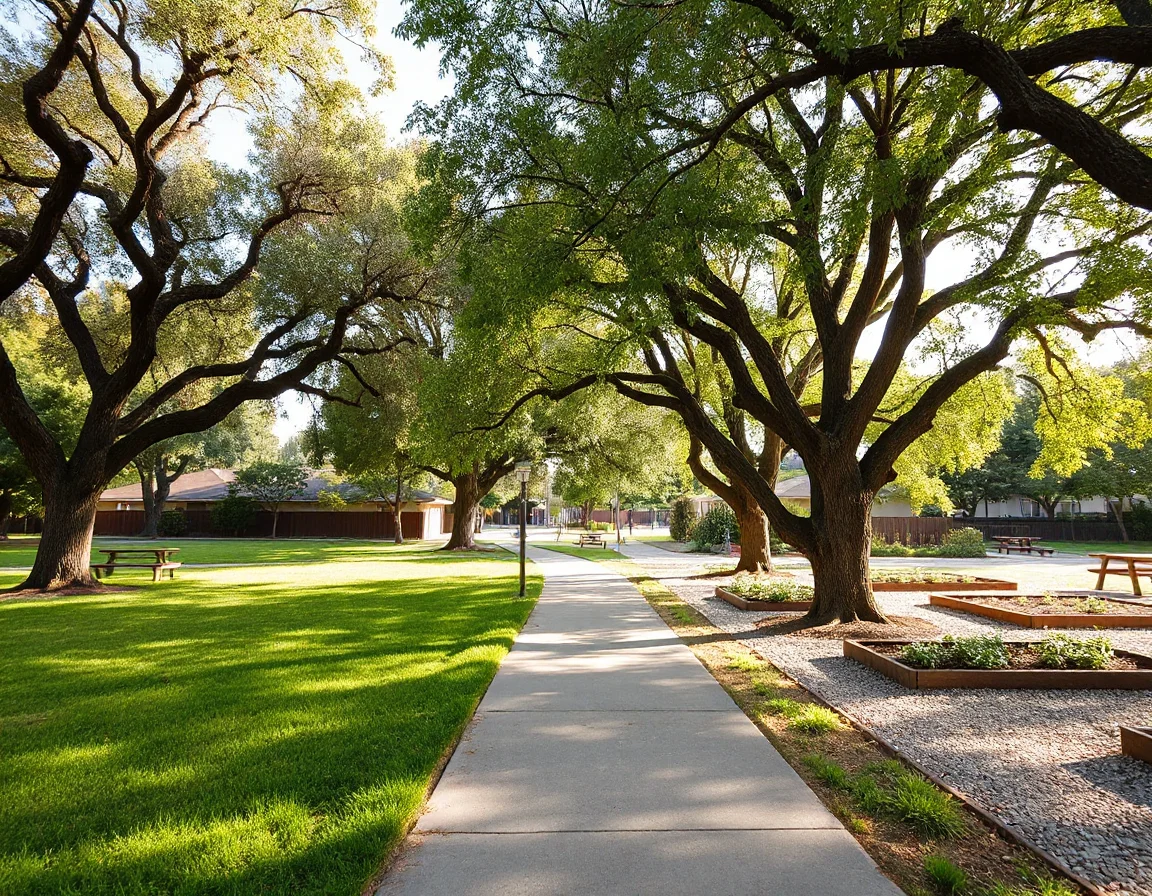
Green space is one of Sunnyvale’s most visible daily amenities. Public parks throughout the city provide lawns, trees, play areas, sports facilities, picnic zones, and paths for walking or cycling. Locations such as Las Palmas Park, Ortega Park, Washington Park, and Baylands Park offer different settings, from neighborhood-scale recreation to larger open spaces closer to the edge of San Francisco Bay.
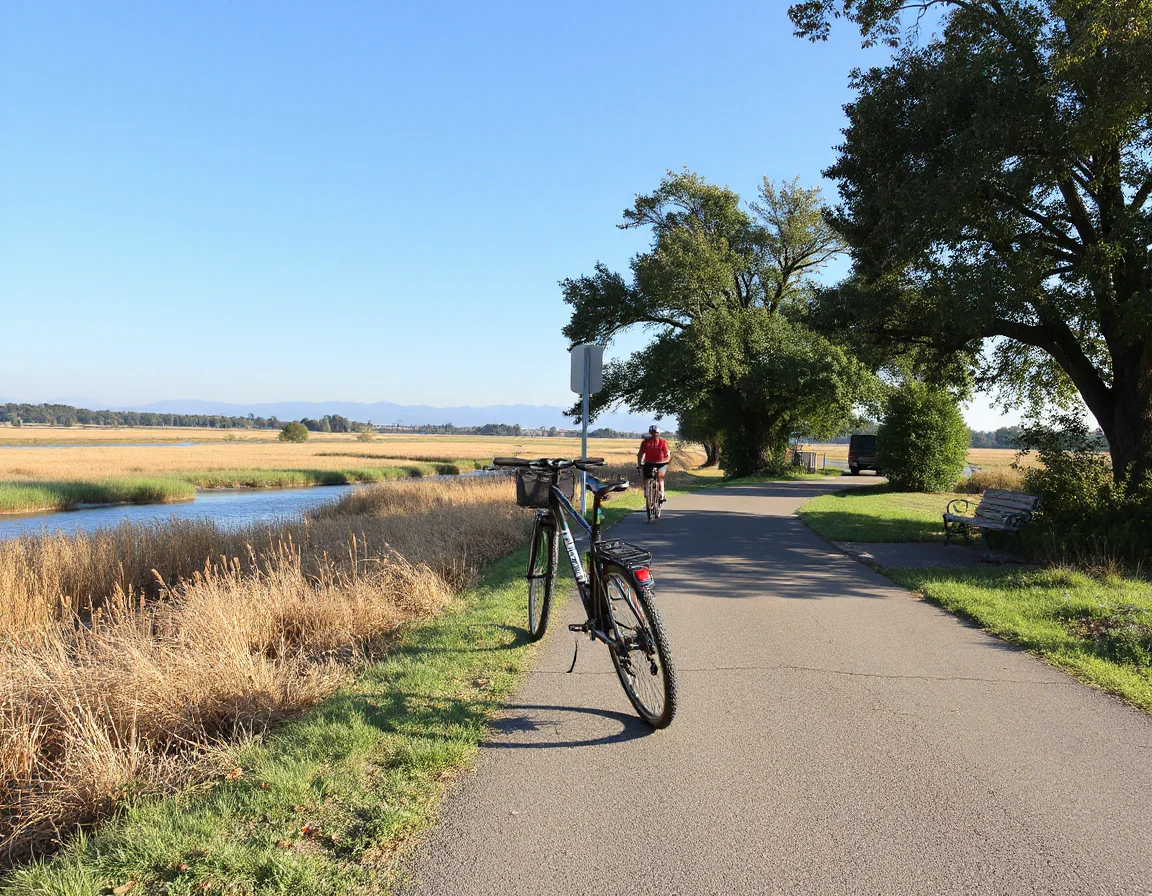
A park visit does not need to be a special occasion here. It can be a short loop after work, a weekend picnic, a casual game on an open field, or a quiet stop beneath mature trees. The Bay Trail and nearby shoreline areas add another dimension for people who enjoy longer walks and bicycle rides with views toward the water and wetlands. Conditions and access points vary by season, so checking local park information before planning a longer outing is always worthwhile.
Sunnyvale’s mild climate supports outdoor routines for much of the year, though summer afternoons can still be warm and winter rains can change trail conditions. Homes with patios, balconies, landscaped yards, or proximity to public green space may appeal for different reasons. The best choice depends on how someone expects to use outdoor space—not on a one-size-fits-all definition of lifestyle.
When evaluating a property, look beyond whether a park appears nearby on a map. Consider the route there, available crossings, lighting, hours, and the type of facilities you would actually use. A five-minute drive to a large park may work better for one household than a short walk to a smaller neighborhood green space; the key is matching the amenity to the routine.
Outdoor access can also influence the way a neighborhood feels without defining who belongs there. Street trees, sidewalks, trail connections, and public gathering areas are simply tangible features that many home buyers consider alongside lot size, layout, storage, and renovation needs. Touring with a clear list of priorities makes it easier to compare these details from property to property.
Dining and Daily Errands Across Town
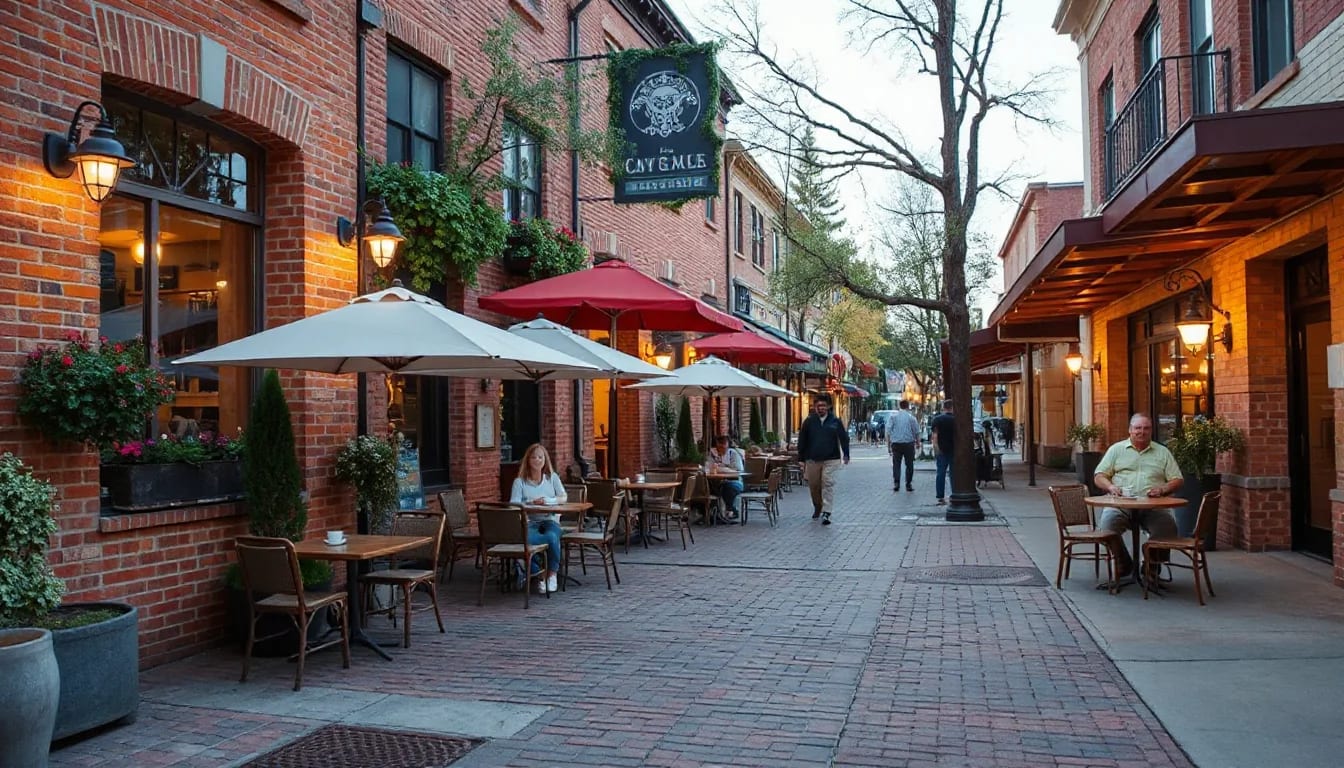
Sunnyvale’s dining landscape is broad, practical, and continually changing. Murphy Avenue is a familiar destination for meals and gatherings, while El Camino Real, Lawrence Expressway, and other major corridors offer a wide range of cuisines, bakeries, casual meal options, and services. Farmers markets and community events can add another layer of local activity throughout the year, with schedules that may change seasonally.
The appeal is not limited to a single district. Many parts of the city offer convenient access to groceries, fitness facilities, personal services, and places to meet over a meal. That distributed pattern can be valuable when comparing homes because errands may be handled near home, near work, or along a regular travel route. As with any city, business hours, offerings, and traffic conditions are worth confirming directly.
Downtown Sunnyvale has also evolved through a mix of housing, public spaces, transit access, and gathering places. Its pedestrian-oriented blocks can be useful for someone who values being close to services and Caltrain, while other parts of the city may offer different home styles or easier access to expressways. There is no universal “best” location; the right fit comes from weighing conveniences against budget, property type, and preferred travel patterns.
A useful tour strategy is to visit a potential neighborhood once for the home and once for the routine: drive the errand route, walk to a nearby park, and note the travel time at the hour you would normally go.
Commute Options Worth Comparing
Sunnyvale is positioned near several major transportation routes, including U.S. 101, Interstate 280, State Route 237, Central Expressway, Lawrence Expressway, and El Camino Real. Caltrain service from Sunnyvale Station provides a rail option for travel along the Peninsula, while VTA buses and light rail connections support additional regional trips. Availability, schedules, and transfer times should be checked against current transit information.
Commute planning here is rarely just about distance. Departure time, the exact office location, school or activity schedules, construction, and whether a trip uses a car, train, bike, or a combination can all affect the experience. Someone working in Santa Clara may prioritize an expressway connection, while another person traveling toward Palo Alto, San Jose, or San Francisco may focus on station access and first-mile transportation.
For prospective buyers, it can be helpful to test a commute before writing an offer when possible. Try the route during a representative weekday window, identify realistic parking or drop-off options, and account for the trip home as well. That small amount of research can reveal far more than a mileage estimate and can help frame the value of a particular location.
Finding the Right Sunnyvale Fit
Sunnyvale offers a compelling mix of established neighborhoods, public parks, regional access, and everyday services. The city’s strongest feature may be its flexibility: different parts of town provide different combinations of housing, transit, outdoor amenities, and nearby destinations. A careful search makes room for those tradeoffs instead of assuming one feature should outweigh all others.
Start with the life you expect to live in the home. Make a list of nonnegotiables, such as property type, space needs, commute tolerance, outdoor access, or proximity to key destinations. Then leave room for the details that often become important only after touring: street activity, natural light, storage, parking, and the condition of major systems. With a grounded plan and current local guidance, Sunnyvale can be explored with clarity rather than guesswork.