

Some updates make a home feel better right away, while others can also help when it is time to sell. In Sunnyvale, buyers often respond to improvements that support everyday comfort, energy efficiency, clean design, and flexible living space. This guide breaks down the upgrades that tend to stand out most, plus how to think about return on investment before starting a project.
Focus on improvements buyers notice quickly
When homeowners think about resale value, it is easy to jump straight to major remodels. In practice, many of the most effective upgrades are the ones that create a strong first impression and make the home feel well maintained. In a market like Sunnyvale, where buyers often compare several homes in a similar price range, details such as fresh finishes, updated lighting, and efficient systems can shape how a property is perceived from the first showing.
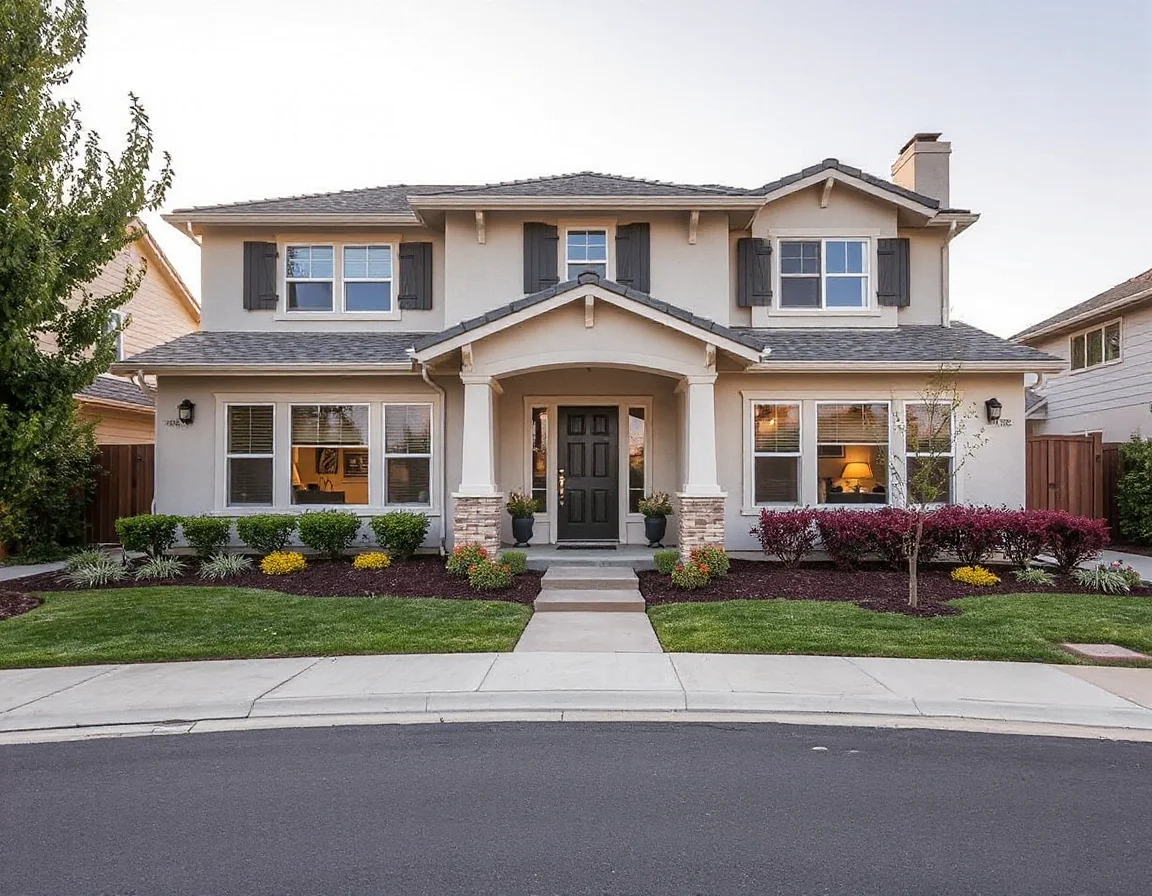
Curb appeal still matters. A tidy exterior, a well-defined entry, updated house numbers, and a front door with fresh paint can change the entire tone of a listing. Buyers often form an opinion before they step inside, so exterior maintenance is not a minor detail. In Sunnyvale, low-water landscaping, neat pathways, and healthy planting beds can also signal that the home is practical for the local climate.
Inside, paint remains one of the simplest and highest-impact projects. Neutral, current colors help rooms feel brighter and easier to picture. That does not mean every room has to look generic; it means the home should feel cohesive. Replacing dated light fixtures, worn switch plates, and older hardware can also make the home feel more current without requiring a full renovation budget.
Flooring is another area where buyers notice condition immediately. If hardwood can be refinished, that may be worth exploring. If carpet is stained or heavily worn, replacement often helps more than sellers expect. The goal is not luxury for its own sake. It is creating a home that looks clean, functional, and move-in ready.
Kitchens and baths usually carry the most weight
Two rooms tend to get the most attention during tours: the kitchen and the bathrooms. That does not always mean a complete remodel is necessary. In many cases, selective upgrades can improve the feel of the space while keeping costs under control. Buyers often respond well to improvements that make these areas look brighter, more efficient, and easier to maintain.
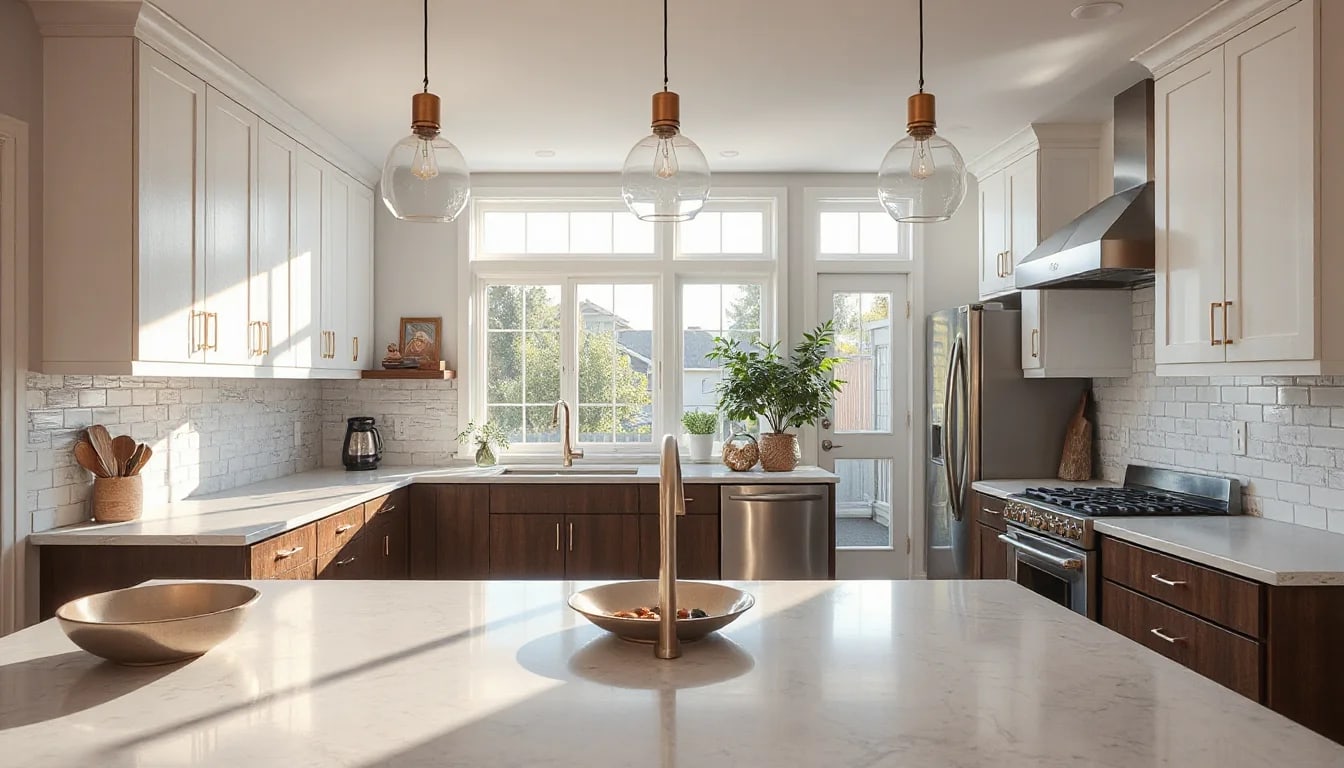
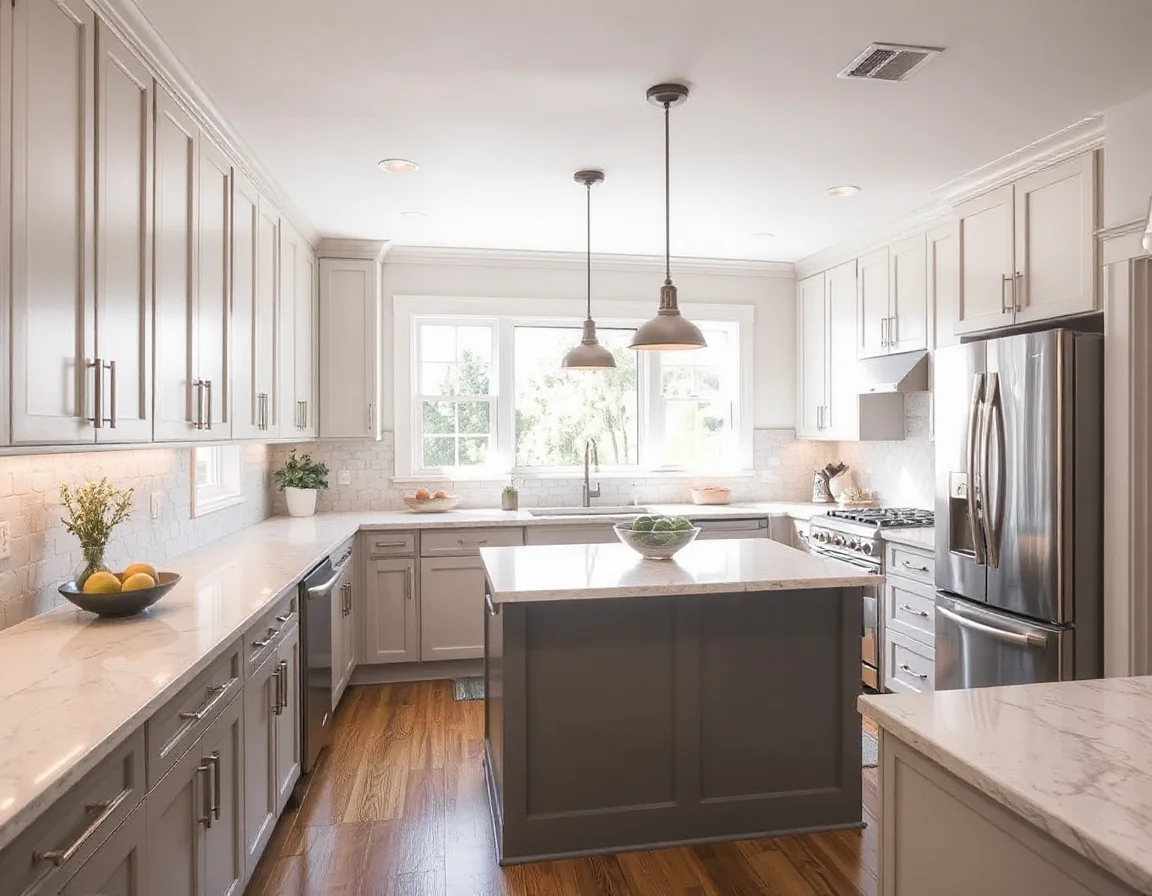
In the kitchen, painted or refaced cabinets, updated pulls, durable countertops, and a modern backsplash can deliver a fresh look without changing the layout. If appliances are mismatched, outdated, or nearing the end of their life, replacing them with coordinated models can help the space feel more finished. Good lighting matters here too, especially under-cabinet lighting or simple fixture updates that improve visibility and atmosphere.
Bathrooms benefit from the same approach. A new vanity, updated mirror, modern faucet, fresh grout, and better lighting can transform the room. If tile is in good condition, deep cleaning and regrouting may be more cost-effective than replacement. Frameless or cleaner-lined shower doors, contemporary hardware, and neutral finishes often help bathrooms show well in photos and in person.
It is also worth thinking about function. Adequate storage, practical counter space, and strong lighting are improvements buyers notice because they affect day-to-day use. Even a modest bathroom can make a positive impression if it feels fresh, well planned, and thoughtfully maintained.
One common mistake is over-customizing. Highly specific finishes or bold design choices can be expensive without adding broad appeal. If resale is part of the goal, timeless materials and straightforward design decisions usually offer more flexibility when the home eventually hits the market.
Energy efficiency can be a strong value signal
In Sunnyvale, efficiency upgrades can stand out because they combine comfort with operating cost awareness. Buyers often ask about windows, insulation, heating and cooling systems, water heaters, and solar. Even when these features are not dramatic in listing photos, they can become meaningful selling points during showings and inspections.
If your HVAC system is older, replacing it before listing may improve both comfort and confidence. The same goes for a water heater that is approaching the end of its service life. Dual-pane windows, attic insulation, and smart thermostats can also help present the home as better prepared for year-round use. These upgrades may not create the same visual response as a new kitchen, but they often support a stronger overall impression of quality and care.
Electrical improvements can matter too, especially in homes where buyers may be thinking about home offices, charging stations, or higher device usage. Adding recessed lighting, updating outlets, or improving panel capacity can strengthen the home’s usability. If you already have solar, organized documentation on ownership, lease terms, or energy performance can be useful when buyers start comparing options.
The broader point is simple: a house that looks current and functions efficiently often competes better than one that relies on cosmetic upgrades alone. Buyers notice when a property feels easy to live in, not just attractive for a few minutes during a tour.
Flexible space and outdoor living can help a property stand out
One of the most valuable features in today’s market is adaptability. A bonus room, den, loft, or finished area that can serve multiple purposes often adds appeal because buyers can imagine different ways to use it. That flexibility does not require labeling the room for a specific type of resident; it simply means the space supports work, hobbies, storage, or guest use without feeling cramped or unfinished.
Simple improvements can help these spaces feel intentional. Built-in shelving, better lighting, fresh flooring, and clean wall finishes can turn an overlooked room into a useful asset. If square footage is limited, making each area feel efficient and uncluttered becomes even more important. Buyers tend to appreciate homes where the layout works hard without feeling overcomplicated.
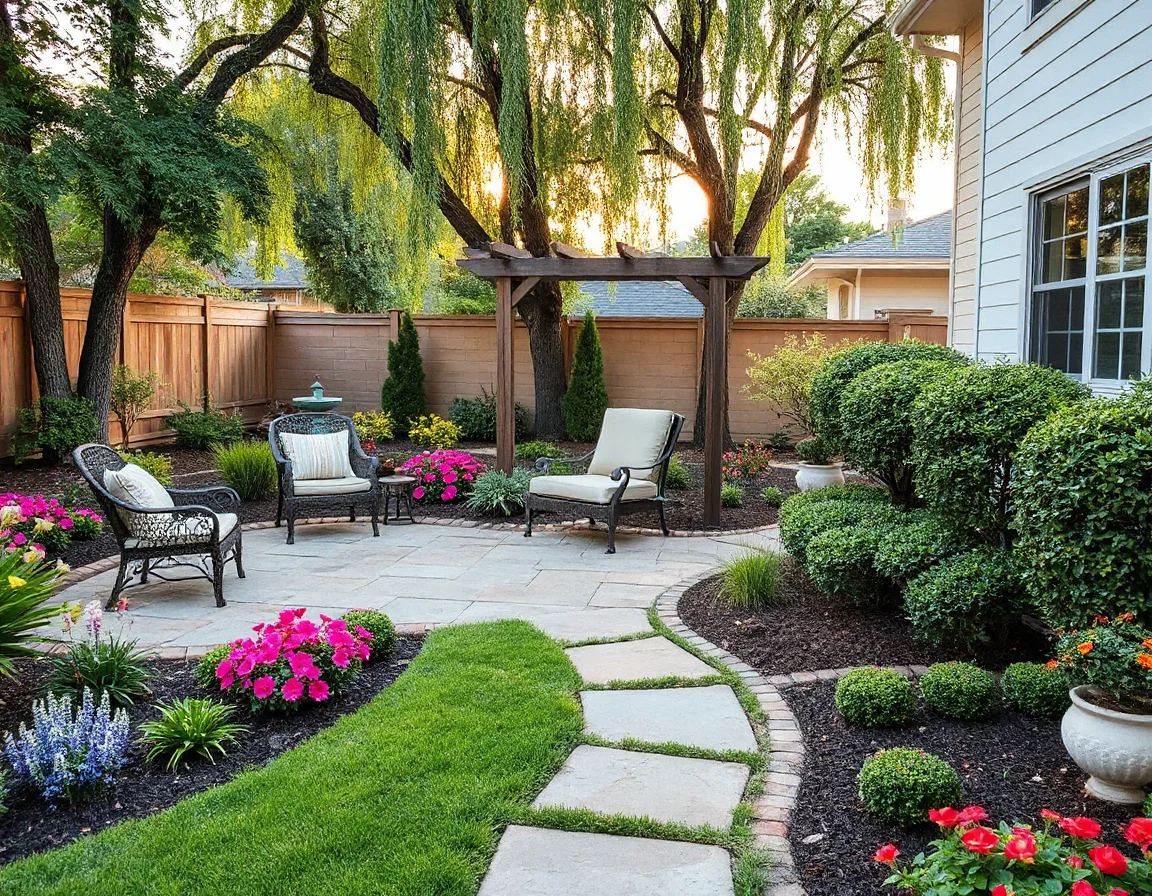
Outdoor areas deserve attention as well. In Sunnyvale’s climate, a comfortable patio, refreshed deck, or shaded seating area can extend the way the home lives day to day. You do not need an elaborate backyard buildout to create value. Often, clean hardscaping, healthy landscaping, updated fencing, and a defined entertaining area are enough to make the yard feel usable and cared for.
As with interior upgrades, maintenance matters. Irrigation issues, worn fencing, cracked concrete, or visible deferred upkeep can distract from otherwise positive features. A polished outdoor area often helps the entire property feel more complete.
Choose projects with your timeline and price point in mind
Not every upgrade makes sense for every homeowner. The best plan depends on how soon you expect to sell, the current condition of the home, and what buyers in your immediate area are seeing in competing listings. A seller preparing to move in a few months may focus on paint, lighting, flooring, and minor kitchen and bath improvements. Someone planning to sell in a few years may have time to take on larger system upgrades or a more extensive remodel.
It also helps to consider the ceiling for your neighborhood. Spending heavily on high-end finishes does not always produce a matching resale gain if nearby homes are selling based on location, layout, and lot size rather than luxury detail. Strategic spending usually beats emotional spending. Before starting major work, compare recent listings and pay attention to the level of finish that appears most often among homes attracting strong interest.
For homeowners who want a practical starting point, begin with three questions: What looks dated right away? What needs repair or replacement soon? What would make the home easier to show as clean, bright, and functional? Those answers usually reveal the most effective path forward.
Well-chosen upgrades can absolutely improve resale value, but the strongest results often come from balance. In Sunnyvale, that means combining visual appeal, efficient systems, and flexible everyday living in a way that feels current without becoming overly customized. If you are weighing which projects to prioritize before a future sale, a room-by-room review of condition, buyer expectations, and local inventory can help you invest where it counts most.