

10 Ways to Make Your Home More Energy Efficient Before You Sell
Energy efficiency has become more than a nice bonus for today’s buyers. In many markets, thoughtful upgrades that reduce utility costs and improve day-to-day comfort can help a home feel more modern, better maintained, and more move-in ready. If you’re preparing to sell or simply want to make smarter improvements, focusing on efficiency can support both your lifestyle and your home’s overall appeal.
The good news is that you do not need a full renovation to make a meaningful difference. From quick fixes to strategic upgrades, these energy-conscious improvements can help create a more comfortable home while strengthening buyer perception when it is time to list.
1. Start With a Professional Energy Audit
One of the smartest first steps is to schedule an energy audit. This gives you a clearer picture of where your home may be losing energy and which improvements will have the strongest return. An audit can identify issues with insulation, air leaks, HVAC performance, ductwork, windows, and appliances.
For sellers, this step is especially useful because it helps prioritize updates instead of guessing where to spend money. For homeowners staying put, it creates a practical roadmap for lowering monthly costs over time.
2. Replace Older Light Bulbs With LEDs
Lighting is one of the easiest places to begin. LED bulbs use far less energy than older incandescent options and typically last much longer. That means lower replacement frequency, lower energy use, and a brighter, cleaner look throughout the home.
From a presentation standpoint, updated lighting also helps rooms feel fresh and well cared for. If you are getting ready for listing photos or showings, this is a simple upgrade that supports both efficiency and appearance.
3. Seal Drafts Around Windows and Doors
Even a beautiful home can lose efficiency through small gaps around windows and doors. Drafts make it harder to maintain a consistent indoor temperature, which can put extra strain on your heating and cooling systems.
Weather-stripping and caulking are relatively affordable improvements that can make a noticeable difference. Buyers may not always see these updates directly, but they often feel the result in a home that is quieter, more comfortable, and less drafty.
4. Upgrade to a Smart Thermostat
A programmable or smart thermostat can help regulate indoor temperatures more efficiently throughout the day. Instead of heating or cooling an empty house at full capacity, you can set schedules that align with your routine.
This is a feature many buyers appreciate because it feels current, practical, and easy to use. It also signals that the home has been updated with convenience and cost savings in mind.
5. Service Your HVAC System
Your heating and cooling system plays a major role in both comfort and energy use. Regular maintenance, including filter changes, duct inspection, and seasonal servicing, can improve performance and extend the life of the system.
If your HVAC equipment is older, it may be worth evaluating whether replacement makes sense before listing. In many cases, a newer high-efficiency system can become a strong selling point, especially for buyers who want fewer immediate maintenance concerns after closing.
6. Add or Improve Insulation
Insulation is not the most glamorous upgrade, but it can be one of the most effective. Attics, crawl spaces, and walls with insufficient insulation can allow heated or cooled air to escape, making your home less comfortable and more expensive to operate.
Improved insulation can help stabilize indoor temperatures year-round. For sellers, it is also the kind of behind-the-scenes improvement that supports a home’s overall condition story when buyers ask about upkeep and efficiency.
7. Update Appliances Where It Counts
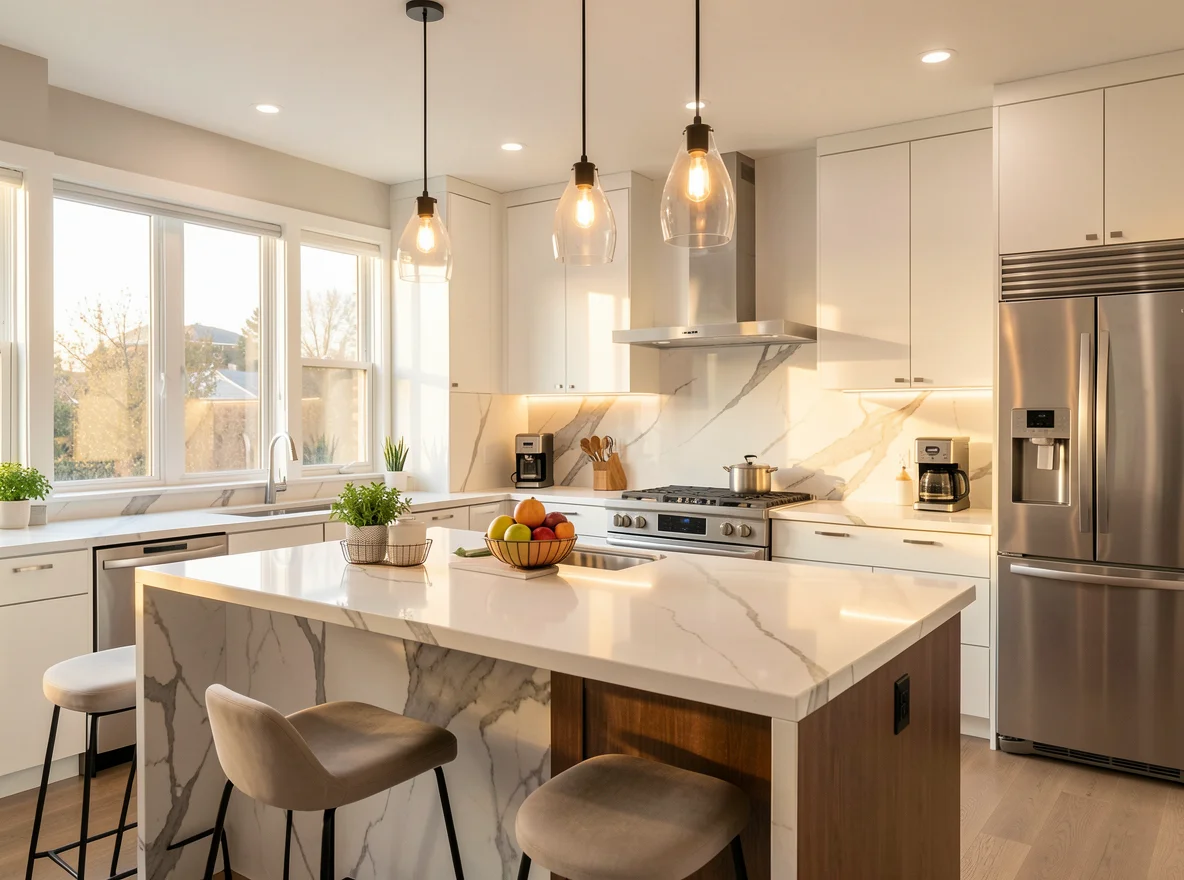
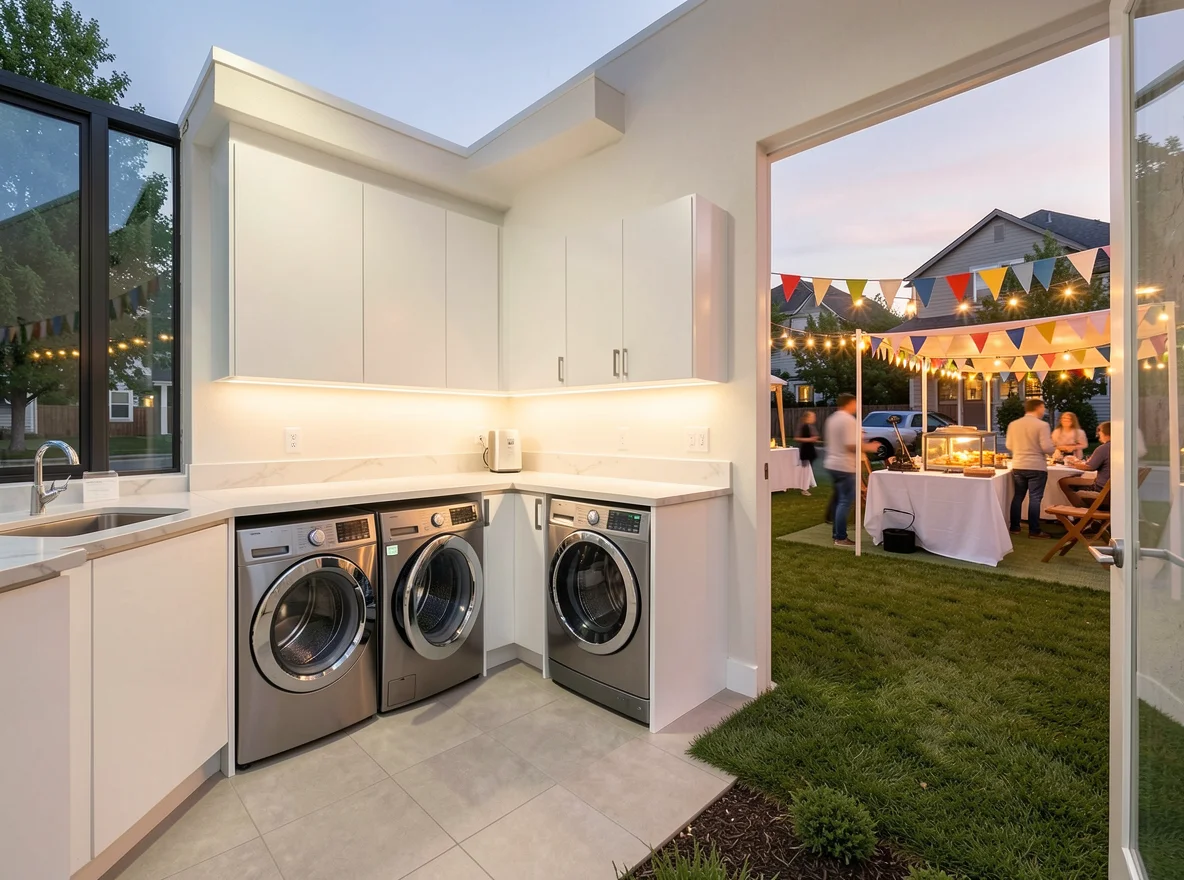
If your kitchen or laundry appliances are outdated, replacing the most inefficient models can reduce energy and water use while giving the home a more current feel. Buyers often notice appliances quickly, especially in kitchens, where visual impact matters.
You do not necessarily need to replace everything at once. Focus on the appliances that are oldest, most visible, or most frequently used. A thoughtful upgrade strategy can improve both function and presentation.
8. Lower Water Heating Costs
Water heating is another area where small adjustments can lead to savings. Lowering the temperature setting on your water heater, insulating hot water pipes, or upgrading to a more efficient unit can all help reduce energy use.
Tankless water heaters and newer high-efficiency models can also appeal to buyers looking for modern systems and lower ongoing costs. If your current unit is nearing the end of its lifespan, this may be a worthwhile improvement to consider.
9. Use Window Treatments Strategically
Sunlight can work for or against your home depending on the season and time of day. In warmer months, closing shades during peak afternoon sun can help keep interiors cooler. In cooler months, opening window coverings to let in natural light can help warm living spaces.
Well-chosen window treatments can also enhance the look of the home while supporting efficiency. Clean, tailored coverings fit especially well with a luxury-modern presentation and help rooms feel intentional and polished.
10. Think About Curb Appeal Through an Efficiency Lens
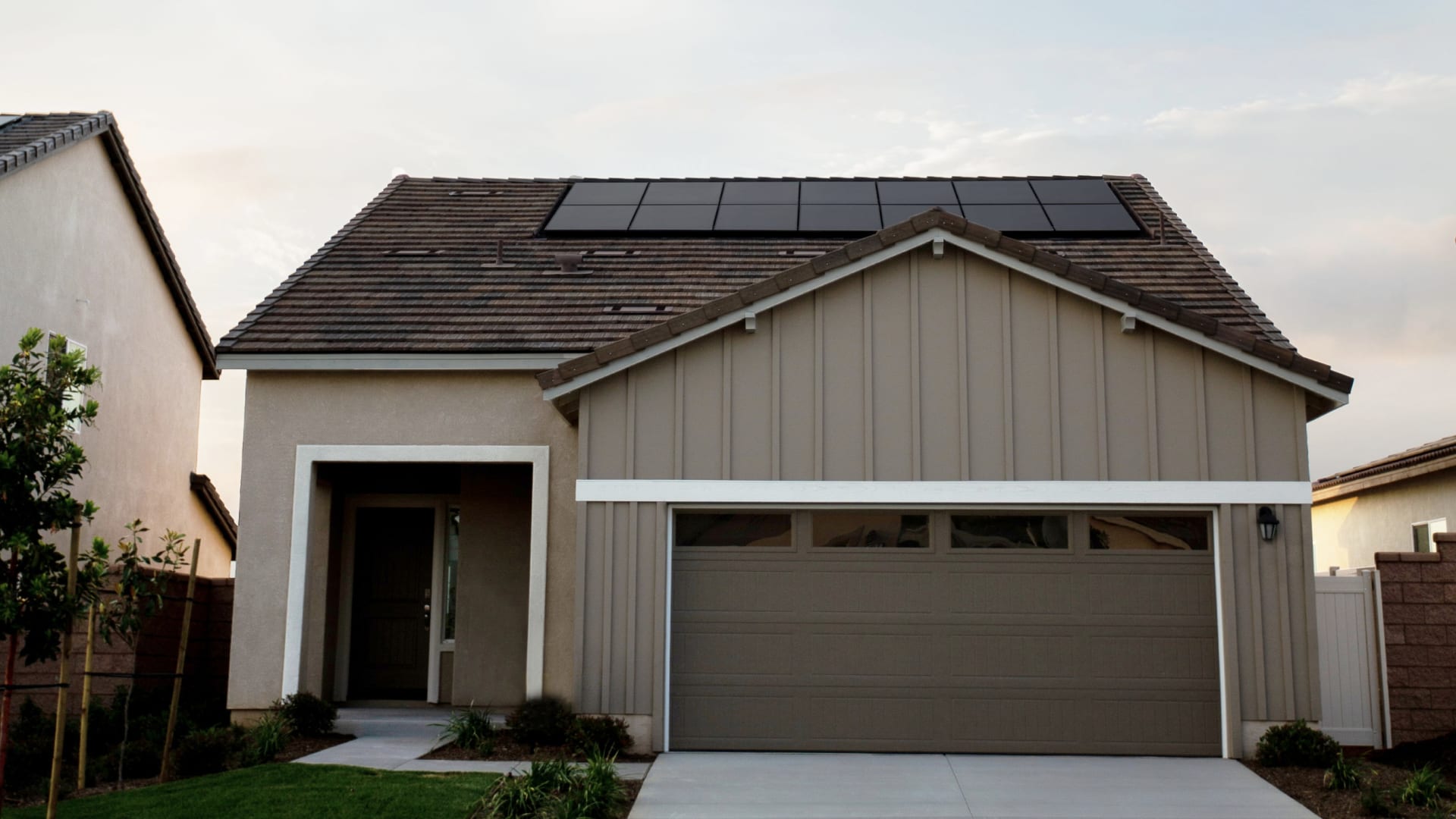
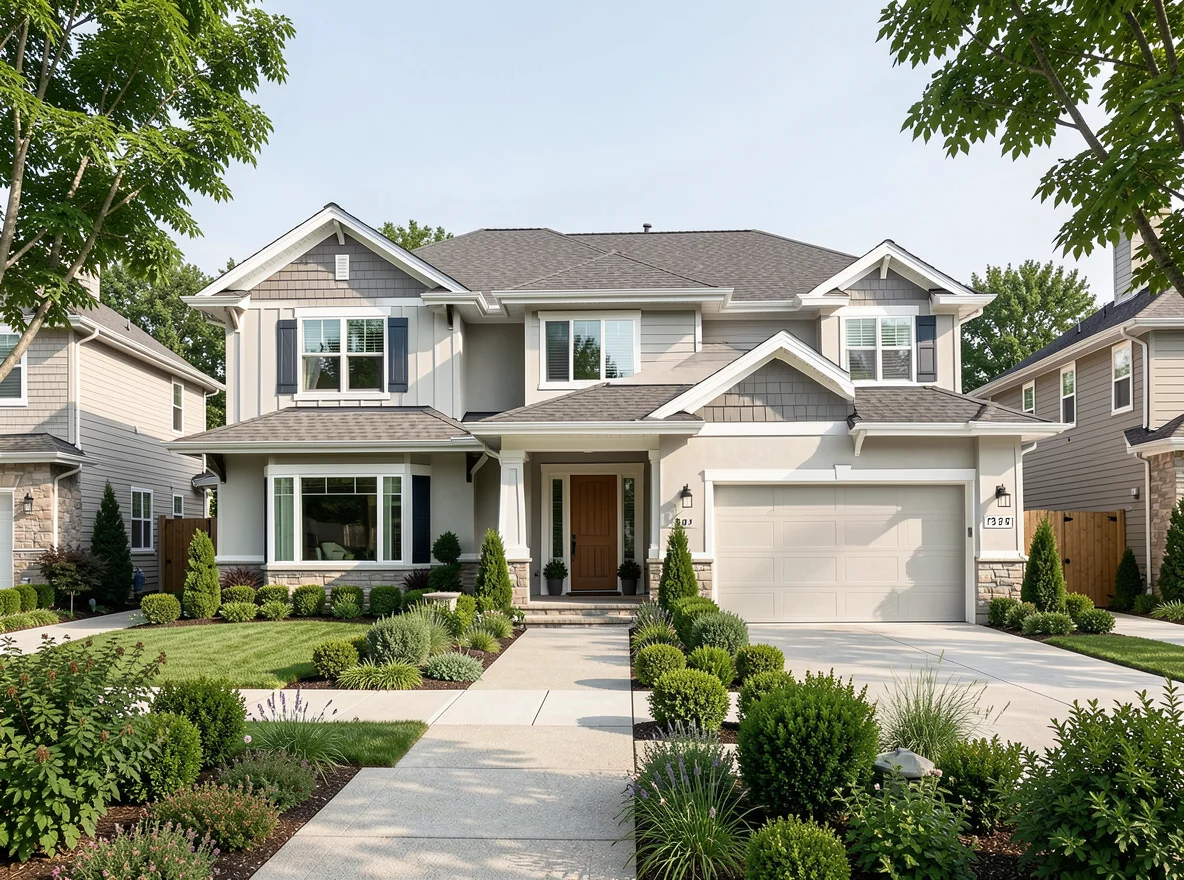
Exterior improvements can support efficiency too. Shade trees, updated exterior doors, insulated garage doors, and well-maintained roofing all contribute to how a home performs. These features also shape first impressions, which matters when buyers arrive for a showing.
When efficiency upgrades are paired with strong presentation, the result is a home that feels both attractive and smart. That combination can be powerful in a competitive market where buyers are comparing value, condition, and long-term ownership costs.
A Smarter Home Can Be a More Marketable Home
Energy-efficient improvements do more than reduce monthly bills. They can make your home feel more comfortable, more current, and more appealing to buyers who want a property that has been thoughtfully maintained. Whether you are making a few simple changes or planning more substantial upgrades, the key is to focus on improvements that support both everyday living and resale value.
If you are preparing to sell, our team can help you identify which updates are most likely to strengthen your home’s presentation in today’s market. The right strategy can help you invest wisely, showcase your property effectively, and move forward with confidence.